All Categories
Featured

AI and Hyper-Local Search Discovery
Table of Contents
AI spiders have retrieval timeouts of 15 seconds. A slow-loading page may never ever be consisted of in an AI Introduction, despite how great the material is.? 2.5 s LCP Largest Contentful Paint. Time for the primary content to load. Target: under 2.5 seconds.? 200ms INP Interaction to Next Paint.
Target: under 200ms.? 0.1 CLS Cumulative Design Shift. Visual stability. Target: under 0.1 (components should not leap around). Leading Page Speed Optimization Methods? Transform images to WebP/AVIF: Modern formats minimize file sizes by 3070% vs JPEG without any noticeable quality loss? Execute lazy loading: Only load images/videos as users scroll towards them? Minify CSS, JavaScript, and HTML: Eliminate whitespace, remarks, and unused code? Remove render-blocking resources: Delay non-critical JavaScript; use async loading? Use a CDN: Content Shipment Networks serve possessions from servers geographically closer to the user? Enable internet browser caching: Return visitors fill your website from cache, not from scratch? Update your hosting: Shared hosting is frequently the single biggest speed bottleneck Optimize for Mobile It's Now the Primary Ranking Version Google uses mobile-first indexing by default.
Mobile SEO Checklist? Same content on mobile: Google's mobile spider must be able to see the very same material as desktop do not hide crucial areas behind accordions that don't open by default? Pass Google's Mobile-Friendly Test for every essential page Ensure Browse Engines Can Discover and Index Your Pages A perfectly enhanced page is useless if Google can't crawl it.
[target1:anchor_exact1]look for unexpected blocks # BAD: This obstructs Googlebot from your ENTIRE site User-agent: Googlebot Disallow:/ # GOOD: Enable all spiders (default if no disallow rules) User-agent: * Disallow: # ALSO: Don't block AI spiders if you desire AI Introduction protection User-agent: OAI-SearchBot User-agent: PerplexityBot User-agent: anthropic-ai Permit:/ Vital 2026 Note AI Crawlers Blocking AI crawlers like OAI-SearchBot (ChatGPT), PerplexityBot, and Googlebot for AI Overviews means your material will not appear in AI-generated responses.
Why Map Pack Optimization Drives Foot Traffic
Confirm:? Your XML sitemap is sent to Google Search Console and Bing Web Designer Tools? Key pages do not have noindex meta tags mistakenly used? Canonical tags are pointing to the appropriate URL variations? No pages return 404 mistakes that should be returning 200 (check Google Browse Console's Coverage report) Stage 6: 2026-Specific Optimizations Future-Proof Your SEO for AI Search These three actions deal with the most significant shift in search given that Google's starting: the increase of AI-generated answers.
Content depth (word count, sentence count) matters more for AI citation than traffic or backlinks? ChatGPT prefers content with guaranteed language, concern marks, high entity density, and simple structures? Pages that load quicker are more likely to be included by AI due to retrieval timeout constraints Enhance Content to Be Pointed Out by AI Overviews and LLMs Generative Engine Optimization (GEO) is the emerging discipline of structuring material so it gets pointed out by AI systems.
The playbook is various from standard SEO however complementary to it. GEO Optimization Techniques? Answer Box Format: Structure your material so that each heading is a question and the very first 4060 words below it directly address that question. This is the primary source format for AI citations.? Accurate Density: Consist of specific numbers, data, and data points.
? Usage Definitive Language: Avoid hedging with "some state" or "it's possible that." State realities with confidence with sources. AI models are more most likely to mention content that explains, direct claims.? Include a Strong Frequently Asked Question Section: FAQ areas are amongst the most frequently pointed out content formats in AI Overviews.
Maximizing Search Traffic by Service Area
? Entity Optimization: Explicitly name the essential entities (people, locations, brands, principles) appropriate to your topic. Google's knowledge graph benefits entity-rich content.? Execute JSON-LD Schema: Structured information makes it considerably easier for AI systems to parse and mention your material precisely. Develop Author and Brand Name Authority That AI Systems Trust AI systems simply like Google's quality raters evaluate whether a source is credible before citing it.
[target1:anchor_exact1]Establish a methodical tracking process so you always understand what's working, what's decreasing, and where brand-new opportunities lie. Vital Monitoring Metrics METRIC TOOL REVIEW FREQUENCY Organic impressions & clicks Google Search Console Weekly Keyword rankings Semrush/ Ahrefs/ GSC Weekly Core Web Vitals ratings PageSpeed Insights/ Browse Console Month-to-month Crawl errors & index coverage Google Browse Console Weekly Material efficiency (time on page, bounce rate) Google Analytics 4 Monthly AI Summary looks Semrush Position Tracking/ manual checks Monthly Content decay (pages losing traffic) Google Analytics 4 + GSC Quarterly The Iterative SEO Cycle The most successful SEO teams run on a 90-day review cycle: audit existing content for decay, refresh the leading 20% of decreasing pages, publish new content targeting determined keyword spaces, develop internal links to brand-new pages, then determine outcomes at the 90-day mark.
Advanced Local Search 2026 Strategies
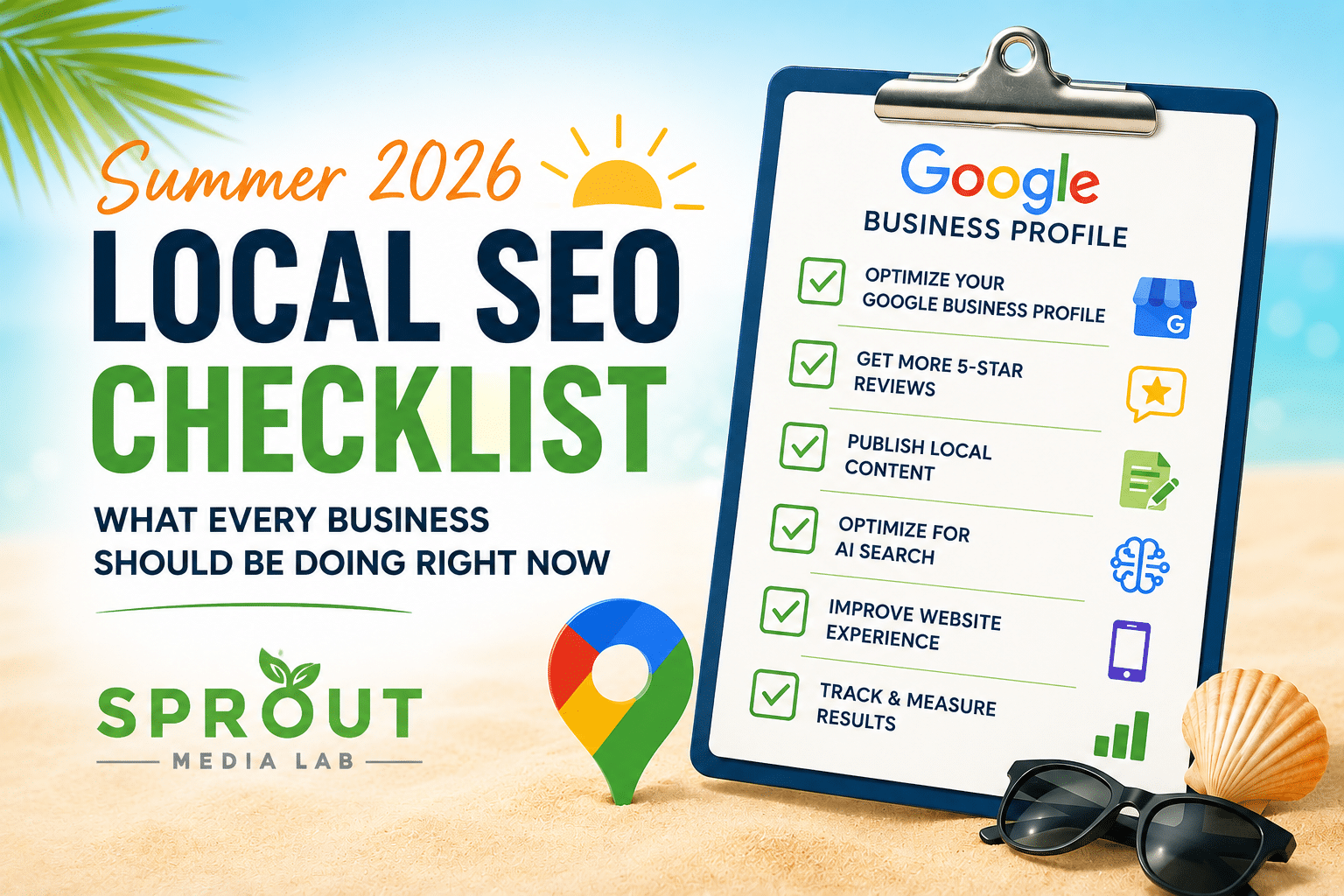
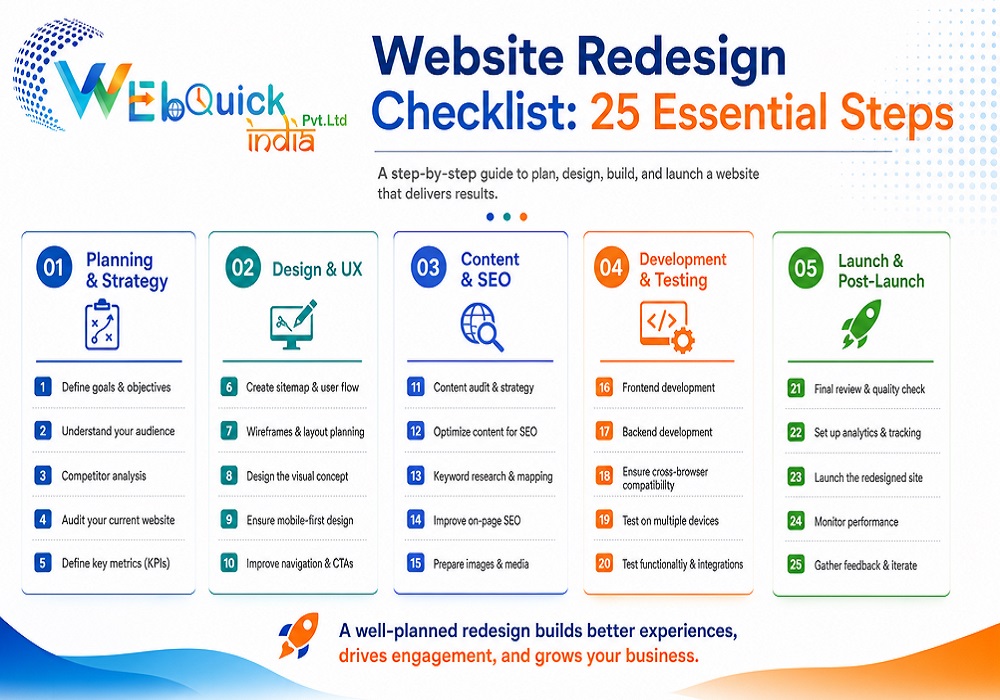
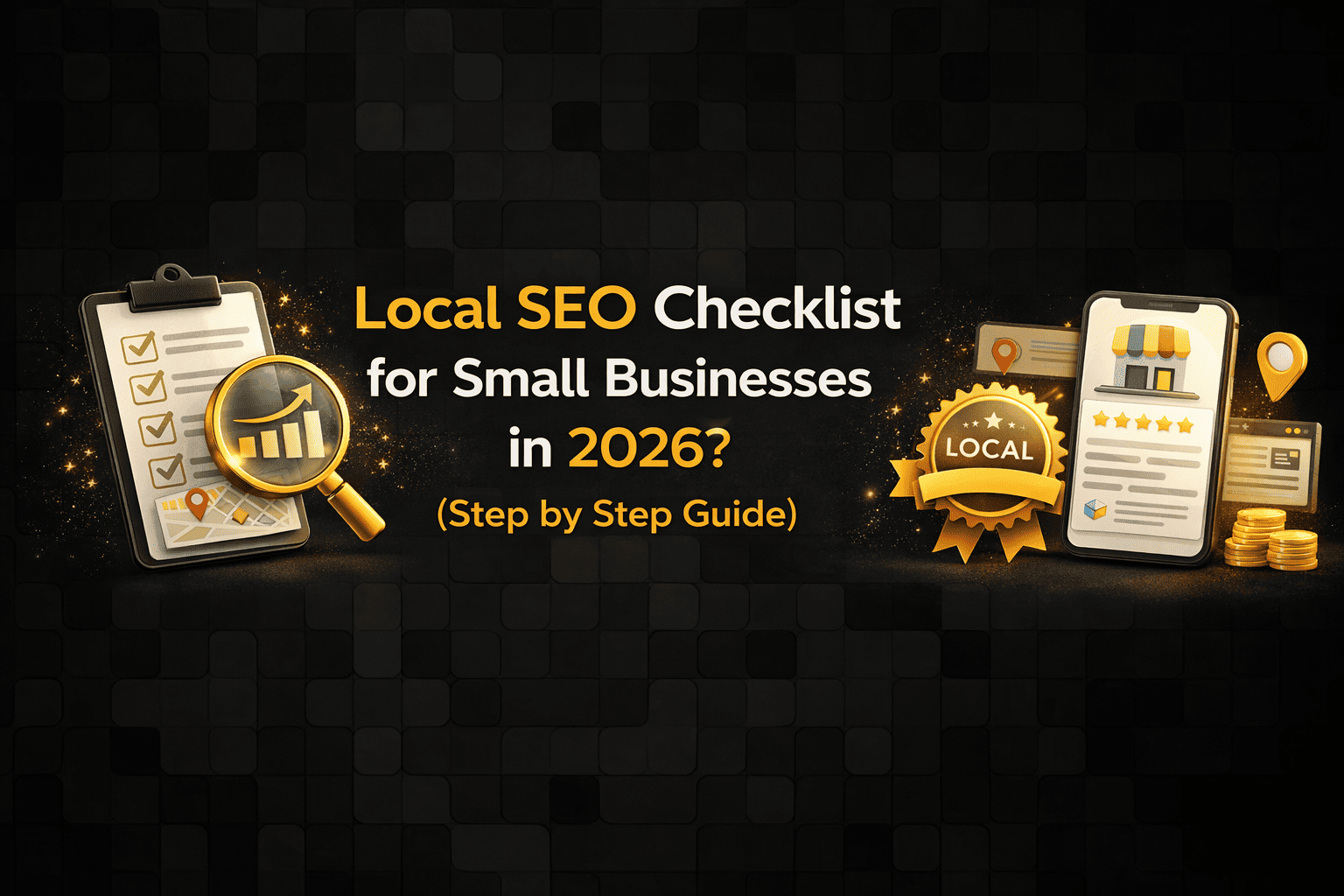
This checklist covers every on-page SEO signal that matters in 2026 from timeless principles to cutting-edge AI optimization. Bookmark it, work through it step by step, and revisit it every quarter.
In 2026, Seo is more dynamic than ever. Voice search, visual material, and AI are reshaping the landscape. Staying ahead needs adjusting to these modifications. This list will assist you through vital SEO practices. From voice search optimization to AI-driven material, we cover all of it. Our goal is to assist you rank higher and reach more users.
Let's dive into the future of SEO together. Search engines develop quickly. Keeping an eye on changes can be daunting. An SEO checklist helps simplify your method. By utilizing a list, you ensure all essential elements are resolved. This results in much better rankings and increased visibility. Stay updated with SEO trends and best practices.
Achieve quantifiable outcomes that line up with your goals. A checklist offers structure. It's your roadmap to success in the ever-changing world of SEO. Developing a strong SEO foundation is vital. It ensures your site is available and user-friendly. Concentrate on core technical and on-page aspects. Guarantee your site performs well on mobile devices.
Protect your site with HTTPS for trustworthiness and trust. On-page basics are essential to exposure. They help search engines comprehend your material and its importance. Craft unique, keyword-rich titles for each page. Write engaging descriptions to improve click-through rates. Use H1, H2, and H3 tags to structure material for clearness.

Latest Posts

Updated Search Engine Rankings
Measuring SEO ROI for Local Firms
Managing Customer Reviews to Boost Authority