All Categories
Featured
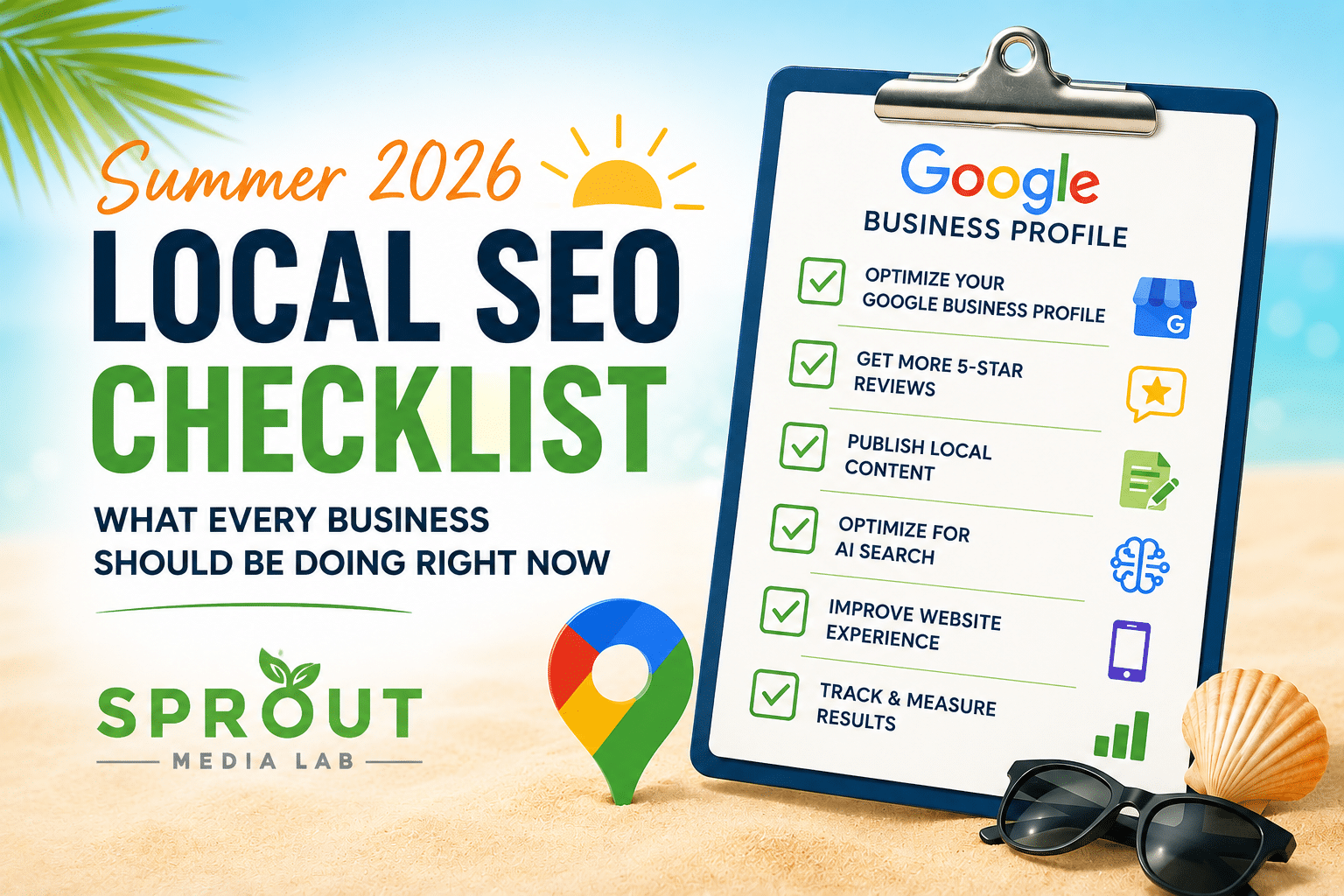

The Essential Search Checklist for Local Businesses
Table of Contents
Concentrating on search intent attains that, which means more presence and relevant leads. While typically used interchangeably, local search marketing and local SEO have subtle differences. Think about local SEO as a subset of regional search marketing. It focuses on creating natural traffic through strategies like optimizing website content, on-page SEO, meta tags, and Google Organization Profile improvements.
Here are some actionable tips for regional SEO you can use to market your business. Staying with Google's standards and SEO best practices is vital to make certain your organization is represented precisely and plainly in search outcomes. Play by the rules, and you'll construct trust with both Google and your customers.
These guidelines cover whatever from how you provide your business details to the types of material you can post. Use naturally positioned keywords within your content, focusing on relevance while providing a great user experience.
Evaluating Effective Local Ranking Tactics
Staying with the guidelines assists you prevent prospective penalties. It likewise assists build trust with Google and your consumers, equating into much better rankings, more local visibility, and a more powerful brand presence. User experience (UX) contributes in both engagement and visibility. A smooth, intuitive website keeps users engaged, lowers bounce rates, constructs trust, and increases conversions.
As I pointed out previously, Google wishes to offer users the very best possible outcomes to satisfy their requirements as quickly as possible. Take these steps to help accomplish that: Streamline site navigation. Enhance load times. Make your site mobile-friendly. Offer quality content that offers value to your readers. Supply a clear call to action (CTA) to direct users on what to do next.
[target1:anchor_exact1]Core Web Vitals are not a direct ranking factor, however improving these metrics can boost user experience, reduce bounce rates, and enhance mobile use, which have a general positive influence on your website's performance. Optimized CWVs signal to Google that a website performs properly based upon the following metrics: Largest Contentful Paint (LCP): LCP measures how quickly your website's main material takes to load.
Slow load times annoy users and hurt rankings, even if you pay to be at the top. Keep in mind, Google just appreciates displaying the very best resultsand keeping its users pleased. Interaction to Next Paint (INP): This is Google's preferred measure of your site's responsiveness based on the time it takes for the web browser to react to user interactions like clicks or taps.
Greater scores can adversely impact user engagement. Cumulative Layout Shift (CLS): CLS determines the stability of your site. Another big plus for local search marketing?
It's like stating to your customers, "Psst! This allows you to display various products or occasions to different audience sectors without creating a lot of different emails. Time when you send your emails like a regional, so they strike consumers' inboxes when they're most likely to open them.
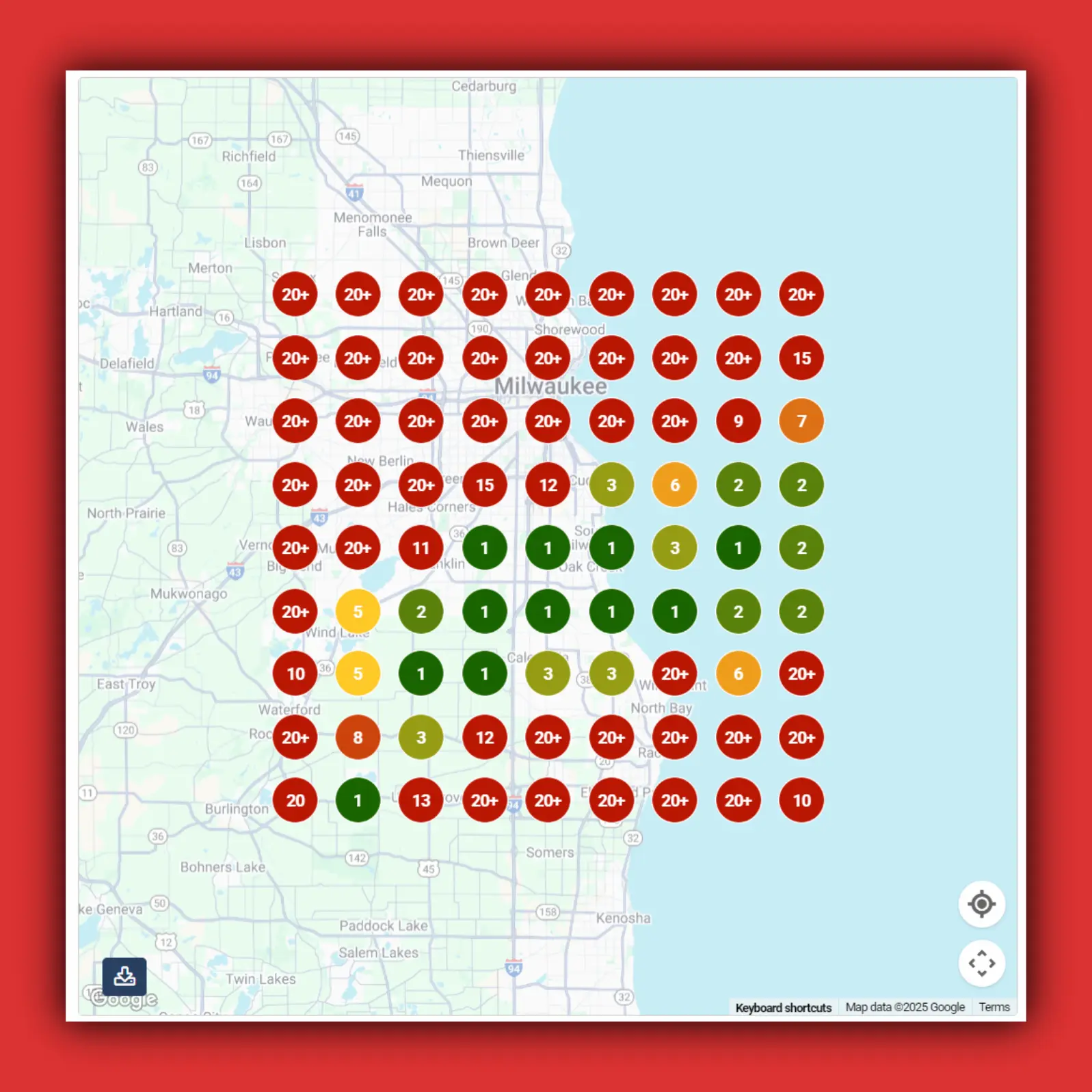
Nothing develops trust quicker than seeing that your neighbors enjoy a product. Include things like consumer testimonials or user-generated content from nearby pleased clients. These ideas will make your customers feel like you're right there, in their neighborhood, speaking their language. Desire to provide material, ads, promotions, or events to people in a specific location? Use geotargeting.
Improving Nearby Search Results for Increase ROI
Your starting point here is running hyper-local ads Platforms like Google Advertisements and Facebook Advertisements let you target specific cities, communities, or even ZIP codes, guaranteeing your message reaches the most appropriate audience. When was the last time you looked at a product or service review? Not including them in your material strategy can cost you consumers and online exposure.

Latest Posts

Updated Search Engine Rankings
Measuring SEO ROI for Local Firms

Managing Customer Reviews to Boost Authority