All Categories
Featured

Voice Search and Local Optimization
Enter your seed keyword (e.g., "on-page SEO") 2. Filter by intent matching your page goal 3. Filter for Personal KD% under 40 if you're a smaller sized website 4. Goal for search volume of a minimum of 300500/month minimum 5. Examine the SERP by hand. Who's currently ranking, and can you beat them? 6.
Build a keyword cluster. A primary keyword supported by 510 semantically associated terms. This is how Google's algorithms understand topical depth in 2026. Map Every Page to a Specific Search Intent Keyword difficulty and volume are nothing if your page does not satisfy what the searcher in fact desires. Before composing a single word, analyze the top 5 ranking outcomes for your target keyword and address these concerns:? Material type: Are the leading outcomes article, product pages, category pages, or landing pages?? Content format: Are they how-to guides, listicles, contrast short articles, or videos?? Material angle: What's the special slant? Beginner-friendly, data-driven, comprehensive, quick and actionable? If Google consistently ranks "best of" listicles for a keyword, releasing a single item page will not outrank them.
To get featured as a source, your content should straight address the inquiry in the first 200 words utilizing clear, factual language. Stage 2: On-Page HTML Aspects Enhance Every HTML Component That Signals Relevance These elements interact your page's topic to both search crawlers and human visitors.
Craft a Title Tag That Ranks AND Gets Clicked Your title tag is perhaps the single most crucial on-page SEO element. It informs online search engine what your page has to do with and functions as the primary clickable headline in search results page.???? seo on-page-checklist On-Page SEO Checklist: 20 Actions to Dominate Browse The most complete on-page SEO guide for 2026.
[target2:anchor_exact1]Capturing Local Nearby Customer Leads
On-Page SEO Checklist: 20 Actions to Control SearchPrimary Keyword First Benefit/Specificity Second Under 55 Characters Title Tag Best Practices for 2026 RULE WHY IT MATTERS STATUS Primary keyword in first 3 words Google weights earlier terms more greatly Critical Keep under 55 characters Avoids truncation in SERPs on mobile and desktop Important Include an engaging modifier "2026," "Total," "Ultimate" improve CTR Recommended Match page content precisely Deceptive titles = high bounce rates = ranking drops Crucial No duplicate title tags Puzzles Google about which page to rank for a keyword Crucial Include trademark name at end (optional) Increases recognition in branded SERPs Optional Do? On-Page SEO List 2026: 20 Proven Steps? How to Slim Down Fast: 12 Dietitian-Approved Tips? Best Running Shoes 2026 (Tested & Ranked) Do Not? Home My Website SEO Page? SEO SEO SEO: Get SEO Tips for SEO Success? Page Title A Long Title That Will Absolutely Be Cut Off in Google" Use One H1 Tag That Hooks and Informs Concurrently Every page must have exactly one H1 tag.
While comparable to your title tag, your H1 can be a little longer and more descriptive given that it does not get truncated. H1 writing formula that works: [Primary Keyword] + [Specific Outcome or Number] + [Audience or Context]
A compelling meta description can increase natural clicks by 2030% without altering your ranking position at all. The anatomy of a great meta description: 1. Include your target keyword. Online search engine strong matching terms, making your outcome visually stand apart 2. State the clear benefit, what will the user gain by clicking? Specify.
[target2:anchor_exact1]Include a soft CTA, "Discover," "Learn," "Explore," "See the full guide" all work well 4. Stay under 105 characters, longer descriptions get cut off on mobile, which makes up 62%+ of traffic Stop Google from Rewriting Your Description Google rewrites meta descriptions when it thinks yours does not match search intent.
Boosting Your Search Presence
Develop SEO-Friendly URLs That People and Crawlers Love Your URL slug is a little however significant ranking signal. A tidy URL constructs trust with users before they even click.?
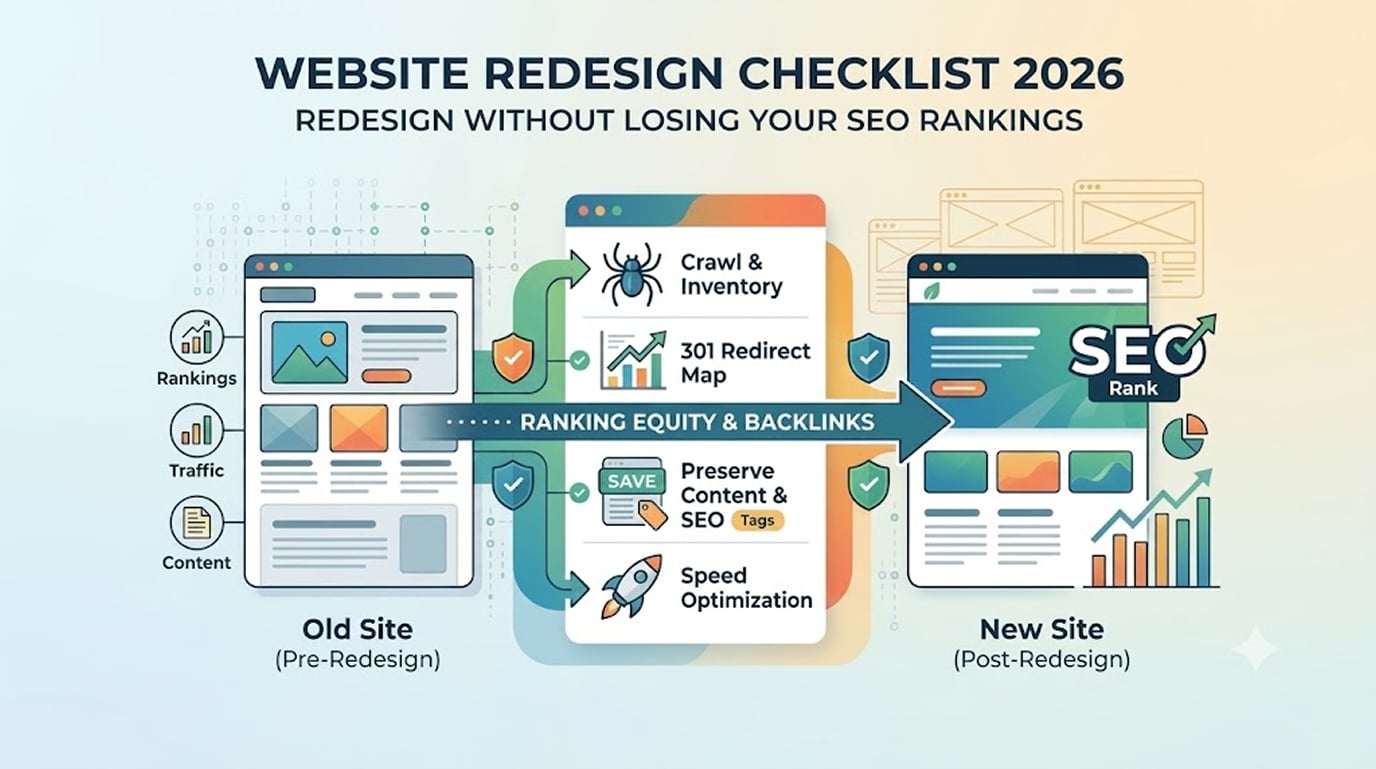
Failing to do this damages accumulated link equity and triggers 404 mistakes for visitors and spiders alike. Stage 3: Content Optimization Create Content That Outranks, Outserves, and Lasts longer than Content quality is determined by how totally and clearly it serves the searcher, not by word count or keyword density. Usage Keywords Naturally, Strategic Positioning, Not Packing Current studies confirm there is no connection between keyword density and high rankings.

Latest Posts

Updated Search Engine Rankings
Measuring SEO ROI for Local Firms
Managing Customer Reviews to Boost Authority